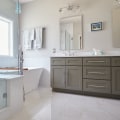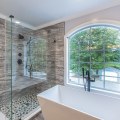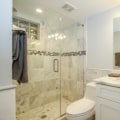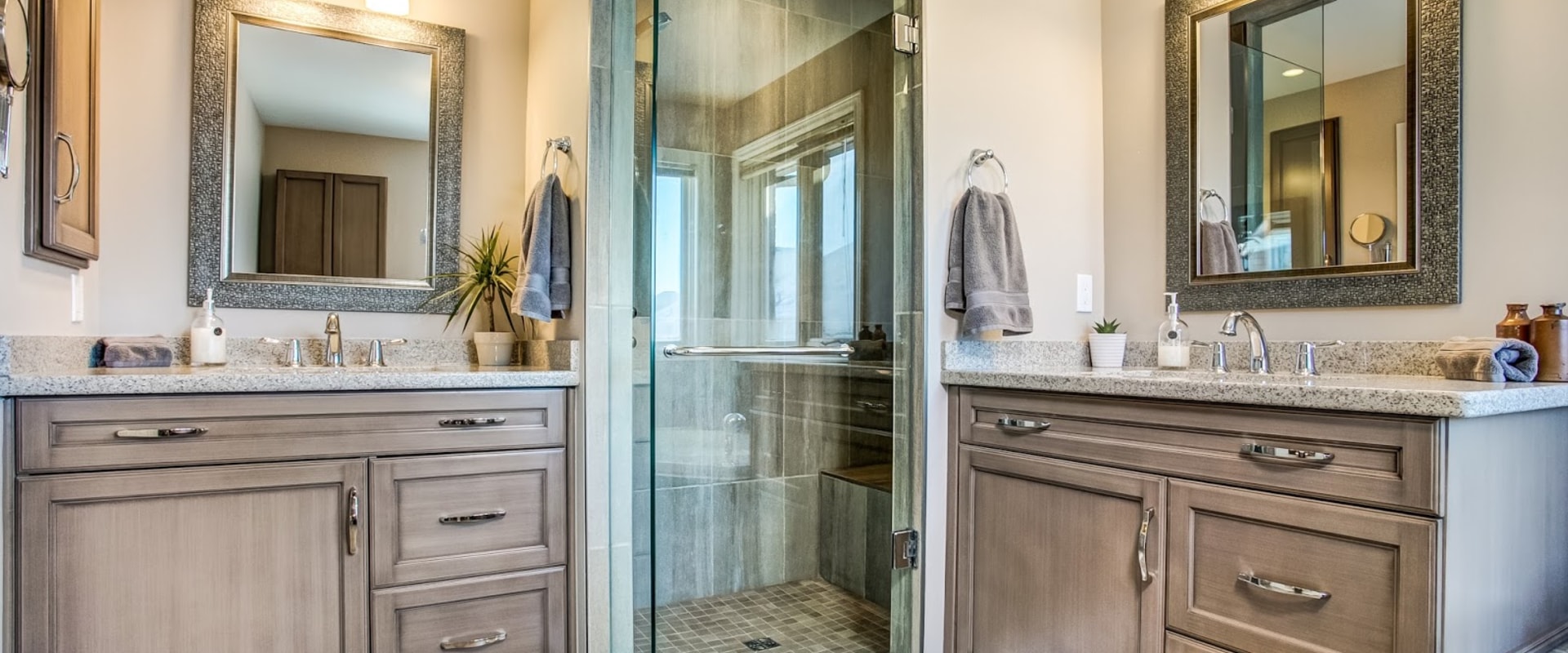
When it comes to home improvement, bathroom remodeling stands out as one of the most impactful projects a homeowner can undertake. This often-overlooked space is not just a functional necessity; it serves as a personal sanctuary where we begin and end our days. A well-executed remodel can transform a dated, cramped bathroom into a modern oasis that enhances both the aesthetic appeal and functionality of your home.The importance of remodeling your bathroom extends beyond mere aesthetics. A thoughtfully designed bathroom can significantly increase the value of your property, making it more attractive to potential buyers.
According to various real estate experts, a bathroom remodel can yield a return on investment (ROI) of up to 70% or more, depending on the extent of the renovations and the quality of materials used. This means that not only are you improving your living space, but you are also making a wise financial decision that could pay off in the long run.Moreover, the benefits of a bathroom remodel go beyond financial gains. A remodel allows homeowners to address specific needs, such as improving accessibility for elderly family members or creating a more energy-efficient environment. Upgrading fixtures and appliances can lead to lower water bills and reduced energy consumption, contributing to both environmental sustainability and cost savings.
Additionally, modern designs often incorporate features that enhance comfort and convenience, such as heated floors, smart lighting systems, and spacious storage solutions.In summary, bathroom remodeling is not just about updating tiles or fixtures; it’s about creating a space that reflects your personal style while meeting your practical needs. Whether you are looking to increase your home’s value or simply want to enjoy a more functional and beautiful bathroom, understanding the importance of this renovation is the first step toward achieving your goals.
Setting a Realistic Budget for Your Bathroom Remodel
Establishing a budget for your bathroom remodel is a crucial step that can significantly influence the outcome of your project. A well-defined budget not only helps you manage your finances but also ensures that you make informed decisions throughout the remodeling process. Here are some essential factors to consider when setting a realistic budget for your bathroom renovation.1.Assess the Size of Your Bathroom
The size of your bathroom plays a pivotal role in determining the overall cost of the remodel.
Larger bathrooms typically require more materials and labor, which can increase expenses. To get a clearer picture, measure your bathroom's square footage and consider how much of it you plan to renovate. For instance, a full remodel that includes changing the layout will generally cost more than a cosmetic update.
2.Choose Quality Materials
Materials can vary widely in price, so it’s essential to choose wisely. While it might be tempting to opt for cheaper options, investing in high-quality materials can save you money in the long run by reducing maintenance and replacement costs.
Consider durable materials such as porcelain tiles, solid wood cabinetry, and high-quality fixtures that can withstand moisture and wear.
3.Factor in Labor Costs
If you're not planning to do the work yourself, labor costs will be a significant part of your budget. Hiring experienced professionals can ensure that the job is done correctly and efficiently, but it’s important to get multiple quotes from contractors to find a fair price. Be sure to check their references and past work to ensure you’re hiring someone reputable.
4.Include Additional Expenses
- Permits: Depending on your location and the extent of your remodel, you may need permits for plumbing or electrical work.
- Unexpected Repairs: During renovations, you might uncover issues like water damage or outdated plumbing that need addressing.
- Design Fees: If you’re working with a designer, include their fees in your budget as well.
5.Set Aside a Contingency Fund
It’s wise to set aside 10-20% of your total budget as a contingency fund for unexpected expenses that may arise during the remodeling process. This buffer can help alleviate stress and keep your project on track financially.By carefully considering these factors and planning accordingly, you can create a realistic budget for your bathroom remodeling project that aligns with your vision while avoiding overspending.
Remember, thorough planning is key to achieving a successful remodel that enhances both the functionality and aesthetics of your space.
Choosing the Right Materials and Fixtures
When embarking on a bathroom remodel, one of the most critical decisions you will face is selecting the right materials and fixtures. The choices you make not only affect the overall aesthetic of your space but also its functionality and longevity. Here are some expert tips to guide you in choosing the best materials for your bathroom remodel.Durable Materials for Longevity
Bathrooms are unique spaces that experience high humidity and frequent use, making it essential to choose materials that can withstand these conditions. Here are some durable options:- Porcelain and Ceramic Tiles: These tiles are highly resistant to moisture and stains, making them ideal for flooring and wall applications.
They come in various styles, colors, and patterns, allowing for creative design.
- Natural Stone: Materials like granite, marble, and slate offer a luxurious look and exceptional durability. However, they require proper sealing to prevent water damage.
- Water-Resistant Paint: If you're painting your bathroom, opt for water-resistant or mildew-resistant paint to ensure longevity and maintain a fresh appearance.
Choosing the Right Fixtures
The fixtures you select can significantly impact both the functionality and style of your bathroom. Here are some key considerations:- Faucets: Look for faucets made from solid brass or stainless steel for durability. Consider finishes that resist tarnishing, such as brushed nickel or chrome.
- Showerheads: Opt for low-flow showerheads to conserve water without sacrificing performance.
Features like adjustable spray settings can enhance your shower experience.
- Vanities: Choose vanities made from solid wood or high-quality plywood rather than particleboard to ensure they withstand moisture over time.
Aesthetic Appeal Meets Functionality
While durability is crucial, don’t overlook the importance of aesthetics. Your bathroom should reflect your personal style while remaining functional. Consider the following:- Color Schemes: Neutral colors can create a calming atmosphere, while bold colors can add personality. Think about how different colors will work with your chosen materials.
- Lighting Fixtures: Good lighting is essential in a bathroom.
Choose fixtures that provide adequate illumination while complementing your overall design theme.
DIY vs. Hiring a Professional: Making the Right Choice
When it comes to bathroom remodeling, one of the most significant decisions homeowners face is whether to embark on a DIY project or hire a professional contractor. Each option has its own set of advantages and disadvantages, and understanding these can help you make an informed choice that aligns with your skills, budget, and the complexity of the project.Pros of DIY Bathroom Remodel
- Cost Savings: One of the primary reasons homeowners opt for DIY is the potential for significant cost savings.
By handling the labor yourself, you can allocate more of your budget towards high-quality materials and fixtures.
- Personal Touch: A DIY remodel allows you to infuse your personal style into the project. You have complete control over design choices, from color schemes to layout, ensuring that the final result reflects your taste.
- Learning Experience: Taking on a DIY project can be a rewarding learning experience. You’ll gain valuable skills and knowledge about home renovation that can benefit future projects.
Cons of DIY Bathroom Remodel
- Time-Consuming: Remodeling a bathroom is often more time-consuming than anticipated. If you have a full-time job or other commitments, finding the time to dedicate to the project can be challenging.
- Lack of Expertise: Unless you have prior experience in home renovations, you may encounter challenges that require specialized knowledge.
Mistakes can lead to costly repairs down the line.
- Limited Resources: Professionals have access to tools and materials that may not be readily available to the average homeowner. This can limit your options and affect the quality of your remodel.
When to Hire a Professional
If your bathroom remodel involves complex plumbing or electrical work, hiring a professional is often the best choice. Licensed contractors have the expertise to navigate local building codes and ensure that all work is up to standard. Additionally, if you’re looking for a high-end finish or intricate design elements, professionals can provide insights and craftsmanship that elevate your project.Conclusion
The decision between DIY and hiring a professional for your bathroom remodel ultimately depends on your skill level, the scope of the project, and your budget.If you feel confident in your abilities and are willing to invest time into learning, a DIY approach may be rewarding. However, for more complex renovations or if you prefer peace of mind knowing that experts are handling the work, hiring a contractor is likely the better option.
Designing Your Dream Bathroom: Layout and Style Considerations
When embarking on a bathroom remodel, one of the most critical aspects to consider is the layout. A well-thought-out layout not only enhances the functionality of the space but also contributes significantly to its overall aesthetic appeal. Here are some essential tips for planning your bathroom layout:- Assess Your Space: Begin by measuring your bathroom dimensions accurately.
Consider the location of existing plumbing, electrical outlets, and windows. This will help you determine what changes are feasible without incurring excessive costs.
- Prioritize Functionality: Think about how you use your bathroom daily. If you often find yourself needing more storage, consider incorporating built-in shelves or cabinets. If multiple people use the space simultaneously, a double vanity might be a worthwhile investment.
- Flow and Accessibility: Ensure that there is enough space for movement within the bathroom.
A good rule of thumb is to allow at least 30 inches of clearance in front of fixtures like sinks and toilets. This will create a more comfortable environment.
- Minimalist: Characterized by clean lines and a clutter-free environment, minimalist bathrooms often feature neutral color palettes and simple fixtures. This style emphasizes functionality while maintaining an elegant look.
- Industrial: If you appreciate raw materials and an urban vibe, an industrial-style bathroom may be for you.
Exposed pipes, concrete floors, and metal accents can create a striking contrast against softer elements like wood or textiles.
- Farmhouse: For those who love a cozy, rustic feel, farmhouse bathrooms often incorporate shiplap walls, vintage fixtures, and warm color schemes. This style blends comfort with charm, making it perfect for creating a welcoming atmosphere.
By carefully planning your space and choosing design elements that resonate with you, you can create a dream bathroom that is both practical and visually appealing.
Incorporating Accessibility Features in Your Bathroom Remodel
When planning a bathroom remodel, it is crucial to consider accessibility features that cater to all users, including those with disabilities or mobility challenges. Incorporating these elements not only enhances the usability of the space but also ensures compliance with the Americans with Disabilities Act (ADA). This section will explore essential features and principles of universal design that can transform your bathroom into a safe and comfortable environment for everyone.Understanding ADA Compliance
The ADA sets forth guidelines that help create accessible spaces. For bathrooms, this includes specific requirements such as:
- Grab Bars: Install grab bars near the toilet and in the shower or bathtub.
These should be securely anchored and able to support a significant amount of weight.
- Accessible Toilets: Toilets should be positioned at a height that is comfortable for individuals with mobility issues. Consider using a raised toilet seat or a toilet designed for accessibility.
- Clear Floor Space: Ensure there is enough clear floor space around fixtures to allow for wheelchair maneuverability. A minimum of 60 inches in diameter is recommended for turning space.
- Lever Handles: Replace traditional knobs with lever handles on faucets and doors, making them easier to operate for individuals with limited hand strength.
Universal Design Principles
Universal design goes beyond ADA compliance by creating spaces that are usable by all people, regardless of age or ability. Here are some key principles to consider:
- Non-slip Flooring: Choose flooring materials that provide traction, especially in wet areas, to prevent slips and falls.
- Walk-in Showers: Opt for a walk-in shower with no threshold to eliminate barriers.
Include a bench for seating and handheld showerheads for ease of use.
- Adjustable Fixtures: Install adjustable showerheads and faucets that can be easily reached from a seated position.
- Sufficient Lighting: Ensure adequate lighting throughout the bathroom, particularly around mirrors and in shower areas, to enhance visibility.
Common Mistakes to Avoid During a Bathroom Remodel
Embarking on a bathroom remodeling project can be an exciting yet daunting task. While the potential for creating a beautiful and functional space is high, many homeowners fall into common traps that can lead to frustration and increased costs. Here are some of the most frequent mistakes to avoid during your bathroom renovation.1.Skipping the Planning Phase
One of the biggest errors homeowners make is diving into a remodel without a solid plan.Failing to outline your goals, budget, and timeline can lead to chaos. Take the time to:
- Define your objectives: What do you want to achieve with this remodel?
- Create a realistic budget: Include all potential costs, from materials to labor.
- Establish a timeline: Set milestones for each phase of the project.
2.Ignoring Functionality
While aesthetics are important, functionality should be your top priority. A beautiful bathroom that doesn’t meet your needs is not worth the investment. Consider:- The layout: Ensure that the flow of the space works for your daily routine.
- Storage solutions: Incorporate cabinets and shelving that maximize space.
- Accessibility: If you have family members with mobility issues, plan for features that accommodate their needs.
3.Underestimating Costs
Many homeowners underestimate the total cost of a bathroom remodel.It’s essential to account for:
- Unexpected expenses: Always set aside an additional 10-20% of your budget for surprises.
- Permits and inspections: These can add significant costs if not factored in from the start.
- Quality materials: Investing in durable materials can save you money in the long run.
4.Choosing Trends Over Timelessness
While it’s tempting to follow the latest design trends, opting for timeless styles can ensure your bathroom remains appealing for years. Consider classic colors and materials that won’t go out of style quickly.5.Neglecting Lighting
A well-lit bathroom is crucial for both functionality and ambiance. Many homeowners overlook this aspect, leading to poorly lit spaces that feel cramped and uninviting. Ensure you:- Incorporate multiple light sources: Use a combination of overhead lighting, task lighting, and accent lights.
- Choose energy-efficient options: LED lights can save on energy costs while providing ample illumination.
By planning carefully, prioritizing functionality, budgeting accurately, embracing timeless designs, and focusing on lighting, you can create a space that is both beautiful and practical.
The Role of Lighting in Bathroom Design
When it comes to bathroom design, lighting plays a pivotal role in creating both functionality and ambiance. A well-lit bathroom not only enhances the aesthetic appeal but also ensures safety and ease of use. Understanding the different types of lighting and how to effectively incorporate them can transform your bathroom into a welcoming retreat.Importance of Lighting in Bathrooms
The importance of lighting in bathrooms cannot be overstated. Proper lighting is essential for daily tasks such as shaving, applying makeup, or reading labels on products.Insufficient lighting can lead to accidents and frustration, while too harsh lighting can create an uninviting atmosphere. Therefore, achieving the right balance is crucial.
Types of Lighting for Bathrooms
There are several types of lighting that can be utilized in bathroom design:- Ambient Lighting: This is the primary source of light in the bathroom, providing overall illumination. Ceiling-mounted fixtures or recessed lights are common choices for ambient lighting.
- Task Lighting: Task lighting is focused on specific areas where activities take place, such as above the vanity or shower. Wall sconces or pendant lights flanking mirrors are excellent options for task lighting.
- Accent Lighting: Accent lighting adds depth and character to the space.
It can highlight architectural features or decorative elements, such as artwork or plants. LED strip lights under cabinets or around mirrors can serve this purpose effectively.
Bathroom Lighting Ideas
Incorporating various types of lighting can enhance both functionality and style:- Layered Lighting: Combine ambient, task, and accent lighting to create a well-rounded illumination scheme. This approach allows you to adjust the mood based on your needs.
- Dimmer Switches: Installing dimmer switches gives you control over the brightness levels, allowing you to create a relaxing atmosphere during a bath or a bright environment for grooming tasks.
- Natural Light: Whenever possible, maximize natural light by incorporating windows or skylights. Natural light not only brightens the space but also makes it feel more open and inviting.
By understanding the different types of lighting and their applications, you can create a functional yet aesthetically pleasing space that meets your needs and elevates your daily routine.
<strong>Finalizing Your Bathroom Remodel: Inspection and Maintenance</strong>
Once your bathroom remodel is complete, the journey doesn’t end there. Proper inspection and maintenance are crucial to ensure that your newly renovated space remains functional and aesthetically pleasing for years to come. Here are some essential steps to follow:Conducting a Thorough Inspection
After the remodel, it’s important to conduct a comprehensive inspection of the entire bathroom. This includes:- Checking for Leaks: Inspect all plumbing fixtures, including faucets, toilets, and showerheads, for any signs of leaks.
Even a small leak can lead to significant water damage over time.
- Examining Grout and Caulk: Look for any cracks or gaps in the grout and caulk around tiles, tubs, and sinks. These areas are prone to moisture buildup, which can lead to mold growth if not properly sealed.
- Testing Electrical Fixtures: Ensure that all electrical outlets, lighting fixtures, and switches are functioning correctly. Pay attention to any flickering lights or tripped breakers.
- Assessing Ventilation: Check that your ventilation system is working effectively. Proper ventilation helps prevent moisture accumulation and keeps the air fresh.
Establishing a Maintenance Routine
Regular maintenance is key to prolonging the life of your bathroom remodel.Consider implementing the following practices:
- Routine Cleaning: Clean surfaces regularly using non-abrasive cleaners to avoid damaging finishes. Pay special attention to areas prone to mold and mildew.
- Inspecting Fixtures: Periodically check all fixtures for signs of wear or damage. Replace any worn-out parts promptly to avoid larger issues down the line.
- Monitoring Humidity Levels: Use a hygrometer to keep track of humidity levels in your bathroom. Ideally, levels should be between 30% and 50%.
If humidity is consistently high, consider upgrading your ventilation system.
- Scheduling Professional Inspections: Every few years, consider hiring a professional to inspect your plumbing and electrical systems. They can identify potential issues before they become major problems.